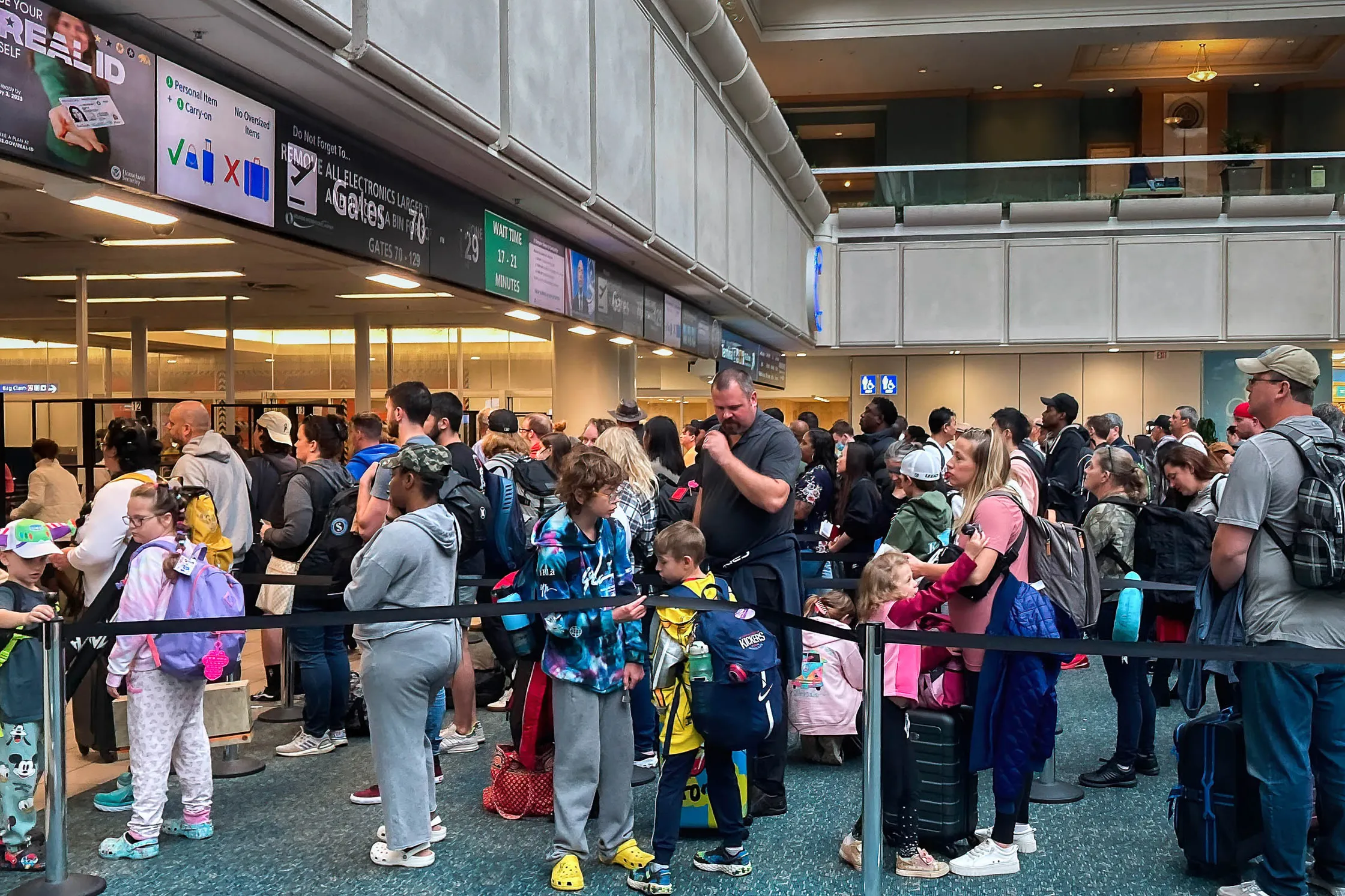



Not all domestic flights in the United States are priced equally. While distance often influences airfare, some routes consistently cost far more than others—even when they are relatively short. The most expensive flight routes in the USA are shaped by demand concentration, limited competition, and traveler urgency rather than mileage alone.
- What Makes a Flight Route Expensive?
- High Airfare Routes in the USA: National Patterns
- Most Expensive Domestic Flight Routes in the USA
- Why Short Flights Can Cost More Than Long Flights
- Most Expensive Routes by Traveler Type
- Seasonal and Timing Effects on Expensive Routes
- Can Expensive Routes Ever Be Cheap?
- How Expensive Flight Routes Affect Total Trip Cost
- Destination Example: High-Cost Routes to Las Vegas
- Related Analysis: Understanding Flight Cost Structure
- Frequently Asked Questions
- Conclusion: What Travelers Should Expect From High-Cost Routes in 2026
- Call to Action
This 2026 evergreen guide explains which domestic routes tend to have the highest average fares, why these routes remain expensive year after year, and what business and curious travelers should realistically expect to pay. Rather than ranking promotional prices, the analysis focuses on structural pricing patterns that persist over time.
What Makes a Flight Route Expensive?
High airfare routes share several common characteristics. Understanding these drivers is essential for interpreting why prices remain elevated.
Primary cost drivers
- Business-heavy demand: Travelers are less price-sensitive
- Limited airline competition: Fewer carriers mean less fare pressure
- Slot-controlled airports: Restricted takeoff and landing capacity
- Time-sensitive travel: Urgency reduces discounting
- Lack of alternatives: Driving or rail is impractical
Routes with multiple overlapping cost drivers almost always rank among the most expensive.
High Airfare Routes in the USA: National Patterns
High airfare routes are not randomly distributed. They cluster around specific economic, geographic, and regulatory conditions.
Structural drivers of high domestic airfare
| Cost Driver | Impact on Pricing |
|---|---|
| Business-dominant passengers | Higher average fares |
| Limited carriers | Sustained price premiums |
| Slot restrictions | Fewer discounted seats |
| Short booking windows | Higher yield targeting |
These forces keep prices elevated even when fuel costs or general airfare trends decline.
Most Expensive Domestic Flight Routes in the USA
Rather than naming temporary outliers, this section focuses on route types that consistently rank among the most expensive.
Business Corridor Routes
Business corridors connect major financial, political, and corporate centers. These routes often show high weekday demand and limited price sensitivity.
Common traits:
- Heavy Monday–Thursday traffic
- Corporate expense travel
- High last-minute booking rates
Pricing behavior:
Average fares remain high year-round, with modest seasonal relief.
Typical fare patterns on business corridors
| Route Type | Average Round-Trip Range |
|---|---|
| Short business corridor | $300 – $600 |
| Medium business corridor | $400 – $800 |
These routes are expensive not because of distance, but because airlines expect travelers to pay more.
Remote and Limited-Access Routes
Costly domestic flights often serve geographically isolated destinations with few alternatives.
Why these routes are expensive:
- Limited daily departures
- Smaller aircraft with higher per-seat costs
- Seasonal supply constraints
Even leisure travelers on these routes pay business-level prices due to lack of competition.
Why Short Flights Can Cost More Than Long Flights
One of the most surprising airfare realities is that short routes can be more expensive than cross-country flights.
Key reasons
- Fixed airport and staffing costs
- High business demand on short hops
- Fewer discount fare classes
Example insight:
A 300-mile flight between two major business centers can cost more than a 2,000-mile leisure route with intense competition.
This pricing distortion is common on routes where time matters more than distance.
Most Expensive Routes by Traveler Type
Different travelers experience high-cost routes differently.
Business Travelers
- Pay the highest averages
- Book late and require flexibility
- Drive revenue models on premium routes
Government and Regulatory Travel
- Fixed schedules and locations
- Limited flexibility
- Consistently elevated pricing
Emergency and Last-Minute Travelers
- Forced into top fare classes
- Pay 30–100% above route averages
These traveler types reinforce airline pricing strategies on expensive routes.
Seasonal and Timing Effects on Expensive Routes
Even the most expensive routes show some variation, though pricing rarely drops dramatically.
Seasonal patterns
- Weekday pricing: Highest on business routes
- Holidays: Can amplify already high fares
- Summer: Slight relief on business corridors, not guaranteed
Price volatility on high-cost routes
| Period | Pricing Behavior |
|---|---|
| Weekday peak | Highest |
| Weekends | Slightly lower |
| Major holidays | Elevated |
| Off-peak windows | Moderately reduced |
Important note:
“Off-peak” on expensive routes is relative—prices remain high compared to national averages.
Can Expensive Routes Ever Be Cheap?
Occasionally, but expectations should remain conservative.
When lower prices appear
- Midday or late-night flights
- Shoulder seasons
- Rare capacity increases
When they don’t
- Peak business days
- Short-notice bookings
- Slot-restricted airports
Reality check:
Discounts on high-cost routes are usually modest, not dramatic.
How Expensive Flight Routes Affect Total Trip Cost
On high-cost routes, airfare often becomes the dominant expense, overshadowing lodging and daily costs.
For a full perspective on how airfare compares with accommodations, food, and activities, see this guide to overall travel costs in the United States:
👉 https://www.tripcostguide.com/travel-costs-usa/how-much-does-it-cost-to-travel-in-the-usa-complete-breakdown/
Planning insight:
On expensive routes, controlling airfare often matters more than optimizing hotels.
Destination Example: High-Cost Routes to Las Vegas
While Las Vegas is often affordable, certain inbound routes behave differently.
Why some Vegas routes are expensive
- Event-driven demand
- Business travel overlaps with leisure peaks
- Limited non-stop alternatives
For a destination-level breakdown that includes airfare, lodging, and daily expenses, see this Las Vegas weekend trip cost analysis:
👉 https://www.tripcostguide.com/city-cost-guides/cost-of-a-trip-to-las-vegas-weekend-3-day-budget-breakdown/
This example highlights how route dynamics, not destination popularity alone, drive prices.
Related Analysis: Understanding Flight Cost Structure
To understand why some routes remain expensive regardless of season, this companion guide explains airfare mechanics in detail:
👉 https://www.tripcostguide.com/flight-costs/flight-costs-in-the-usa-what-travelers-should-expect-2026-guide/
This context is essential for interpreting why distance alone is a poor predictor of price.
Frequently Asked Questions
What is the most expensive domestic flight route in the USA?
There is no single route, but business-heavy and slot-restricted routes consistently rank highest.
Why are some short flights so expensive?
Because business demand, limited competition, and fixed costs outweigh distance savings.
Are business routes always more expensive?
They are usually more expensive on weekdays, with limited off-peak relief.
Do expensive routes ever get cheaper?
Occasionally, but discounts are modest and unpredictable.
How much more do costly domestic flights usually cost?
They often cost 30–100% more than national route averages.
Conclusion: What Travelers Should Expect From High-Cost Routes in 2026
In 2026, the most expensive flight routes in the USA remain expensive for structural reasons—not temporary market conditions. Business demand, limited competition, and time sensitivity continue to push prices upward on select domestic routes.
Key realities:
- Distance does not determine price
- Competition matters more than mileage
- High-cost routes rarely become cheap
For business and curious travelers alike, the most effective strategy is realistic budgeting, strategic scheduling, and understanding which routes carry built-in premiums.
Call to Action
If you regularly travel on known high-cost routes, plan budgets using route-specific airfare expectations, not national averages. Reviewing data-driven cost guides before booking can prevent surprises and support smarter travel decisions.
Explore more in-depth airfare and travel cost analysis on TripCostGuide.com and plan with clarity before you fly.