



Understanding the average domestic flight price USA is essential for realistic travel budgeting, forecasting, and cost analysis. While travelers often focus on finding the cheapest possible fare, planners and analysts benefit far more from understanding true averages, pricing ranges, and the structural factors that influence domestic airfare across the United States.
- What Is the Average Domestic Flight Price in the USA?
- Domestic Airfare Cost by Flight Distance
- Flight Ticket Prices in the USA by Season
- How Booking Timing Affects Average Domestic Flight Prices
- Why Average Prices Differ From Advertised Fares
- Average Domestic Flight Prices by Traveler Profile
- How Average Airfare Fits Into Total Trip Costs
- Case Study: Las Vegas Domestic Flight Averages
- Related Analysis: Understanding Flight Cost Structure
- Frequently Asked Questions
- Conclusion: What Planners Should Expect in 2026
- Call to Action
This 2026 guide presents a data-driven view of domestic airfare cost in the USA, focusing on typical price ranges rather than promotional outliers. It is designed as an evergreen reference, updated as pricing patterns evolve, and structured to support cost modeling, trip planning, and comparative analysis.
What Is the Average Domestic Flight Price in the USA?
At a national level, the average domestic flight price in the USA falls within a relatively stable range once distance, seasonality, and booking timing are accounted for.
National Average Pricing (Economy Class)
| Trip Type | Typical Price Range |
|---|---|
| One-way domestic flight | $90 – $200 |
| Round-trip domestic flight | $180 – $400 |
Key analytical note:
These figures represent actual prices paid, not advertised base fares. Ultra-low promotional tickets and premium cabin fares are excluded to preserve statistical relevance.
For planners, averages provide a more reliable benchmark than lowest-fare headlines, which represent a small fraction of total bookings.
Domestic Airfare Cost by Flight Distance
Distance remains the single most influential structural factor in domestic airfare cost, though it does not scale linearly.
Short-Haul Flights (Under 500 Miles)
Short flights often appear cheaper but carry higher per-mile costs.
Typical characteristics:
- Business-heavy demand
- Limited airline competition on regional routes
- Fixed airport and operational costs
Average pricing:
- One-way: $60 – $140
- Round-trip: $120 – $220
Medium-Haul Flights (500–1,500 Miles)
This category represents the largest share of domestic travel and offers the most stable averages.
Why pricing is more predictable:
- High route competition
- Balanced leisure and business demand
- Greater schedule flexibility
Long-Haul Flights (1,500+ Miles)
Long-distance domestic flights benefit from scale efficiencies but show greater volatility.
Average Domestic Flight Prices by Distance
| Distance Band | Avg Round-Trip Price |
|---|---|
| Under 500 miles | $120 – $220 |
| 500–1,500 miles | $180 – $350 |
| 1,500+ miles | $280 – $550 |
Analyst insight:
Long-haul flights are often cheaper per mile than short routes, even though total ticket prices are higher.
Flight Ticket Prices in the USA by Season
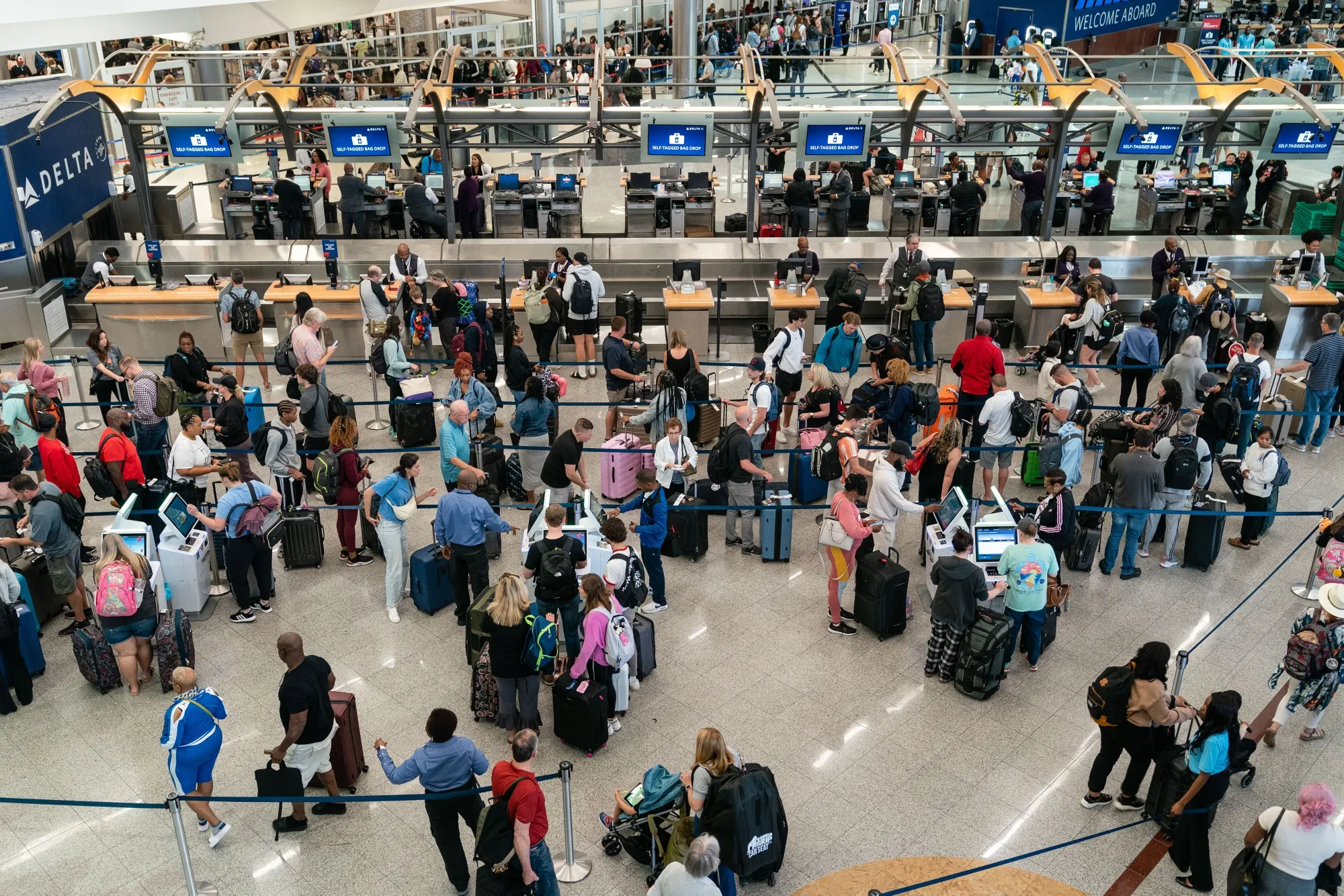
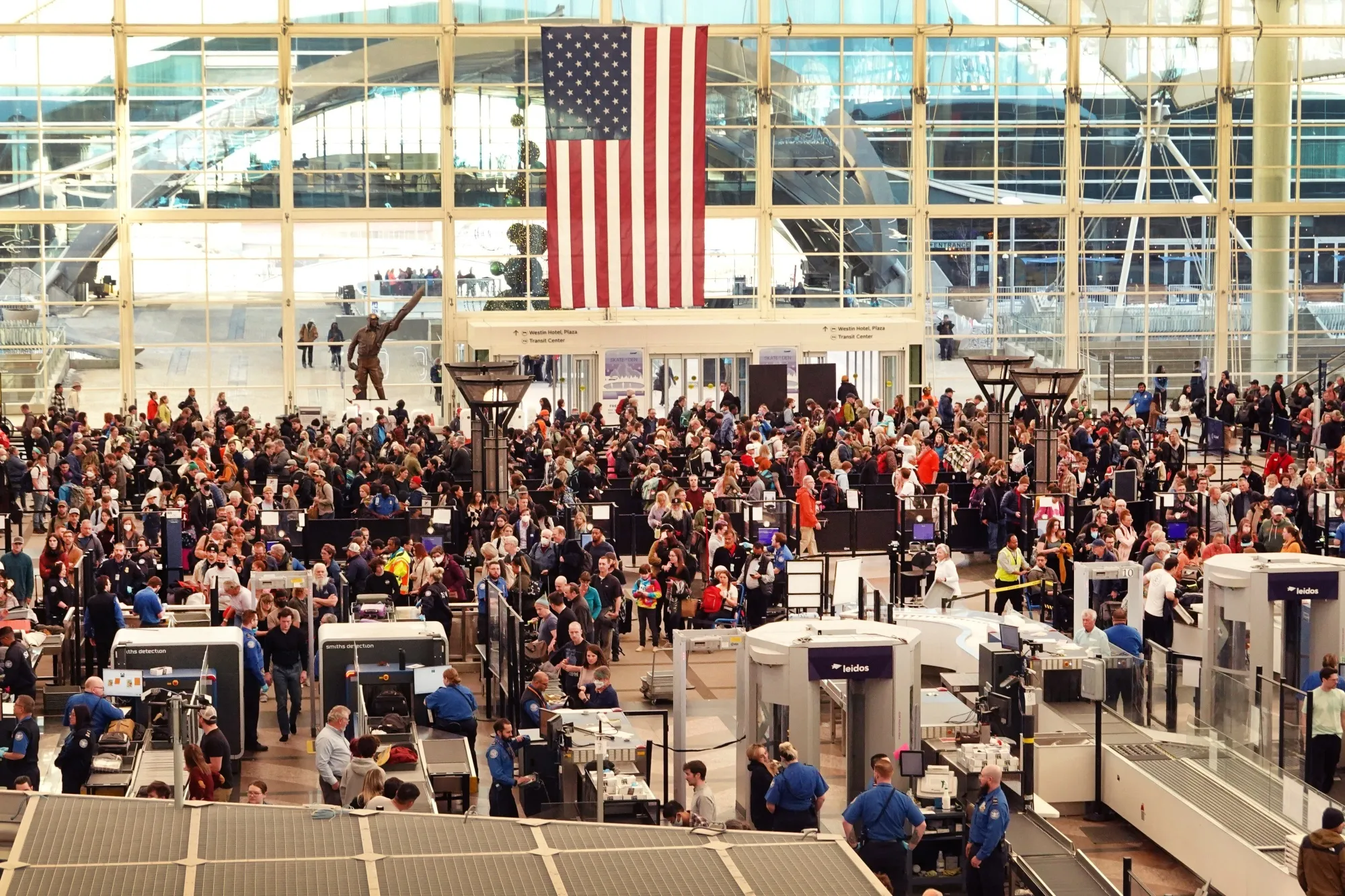

Seasonality introduces predictable variance into flight ticket prices USA, often outweighing distance as a cost driver.
Seasonal Price Impact (Domestic Flights)
| Season | Average Price Change |
|---|---|
| Late January–February | −15% to −30% |
| September–early December | −10% to −25% |
| Spring shoulder season | −5% to −15% |
| Summer | +20% to +40% |
| Thanksgiving & Christmas | +30% to +60% |
Planning implication:
Forecasting models that ignore seasonality routinely under-estimate peak-period airfare by 25–50%.
How Booking Timing Affects Average Domestic Flight Prices
While this article focuses on averages rather than booking strategy, timing materially influences mean prices observed in datasets.
Booking Window vs Price Trend
| Days Before Departure | Price Behavior |
|---|---|
| 1–7 days | Highest averages |
| 8–21 days | Elevated |
| 22–60 days | Lowest averages |
| 61–120 days | Stable, slightly higher |
Why this matters for analysts:
Average prices rise sharply inside the final two weeks before departure due to constrained inventory and inelastic demand.
Why Average Prices Differ From Advertised Fares
A major source of confusion in airfare analysis is the gap between advertised prices and final transaction values.
Advertised vs Actual Cost Breakdown
| Cost Component | Typical Add-On |
|---|---|
| Government taxes & fees | $30 – $60 |
| Checked baggage | $0 – $70 |
| Seat selection | $0 – $50 |
| Change flexibility | $0 – $75 |
Example:
A $149 advertised ticket frequently converts into a $220–$280 actual purchase, representing a 40–80% increase over the headline price.
Average Domestic Flight Prices by Traveler Profile
Understanding traveler segmentation helps contextualize averages.
Budget Travelers
- Lower averages due to flexibility
- Midweek and off-peak bookings
- Minimal add-ons
Families
- Higher averages
- Fixed travel dates
- Increased baggage and seating costs
Business Travelers
- Highest average airfare
- Short booking windows
- Greater demand for flexibility
Flexible vs Fixed-Date Travelers
Flexibility alone can reduce average airfare exposure by 15–30% across a year.
How Average Airfare Fits Into Total Trip Costs
Airfare typically accounts for 25%–45% of total trip expenses on domestic U.S. travel, depending on destination and length of stay.
For a full breakdown of how flights compare with lodging, food, and activities, see this detailed guide on overall travel costs in the United States:
👉 https://www.tripcostguide.com/travel-costs-usa/how-much-does-it-cost-to-travel-in-the-usa-complete-breakdown/
Planner takeaway:
Airfare volatility often explains the largest variance in total trip budgets.
Case Study: Las Vegas Domestic Flight Averages
Las Vegas provides a useful example of how volume and competition affect domestic flight pricing.
Observed patterns:
- Lower-than-average base fares
- Strong weekend demand spikes
- Significant midweek discounts
For a destination-specific breakdown that includes airfare behavior, lodging, and daily costs, reference this Las Vegas weekend trip cost analysis:
👉 https://www.tripcostguide.com/city-cost-guides/cost-of-a-trip-to-las-vegas-weekend-3-day-budget-breakdown/
Related Analysis: Understanding Flight Cost Structure
For readers seeking deeper context on why domestic airfare behaves the way it does, this companion guide explains airline pricing mechanics and cost drivers in detail:
👉 https://www.tripcostguide.com/flight-costs/flight-costs-in-the-usa-what-travelers-should-expect-2026-guide/
This reference is particularly useful for analysts building forecasting or budgeting models.
Frequently Asked Questions
What is the average domestic flight price in the USA?
Most domestic round-trip flights cost between $180 and $400, depending on distance, season, and booking timing.
How much do domestic flights usually cost one-way?
One-way domestic flights typically average $90–$200.
Why do average flight prices vary so much?
Distance, seasonality, demand concentration, and booking timing all contribute to pricing variance.
Are domestic flights getting more expensive?
Average prices fluctuate year to year but show long-term sensitivity to fuel costs, demand recovery, and capacity management.
What affects domestic airfare the most?
Seasonality and booking timing tend to have a greater impact than airline brand or booking day.
Conclusion: What Planners Should Expect in 2026
For planners and analysts, the value of airfare analysis lies in averages, ranges, and structural drivers, not deal-based anecdotes.
In 2026:
- Domestic flight prices remain highly seasonal
- Booking timing strongly influences mean outcomes
- Advertised fares under-represent true costs
Using realistic averages allows for more accurate forecasting, better budgeting, and fewer cost surprises.
Call to Action
If you are building travel budgets, forecasting trip costs, or planning itineraries, rely on average domestic flight prices, not promotional outliers. Consult comprehensive cost guides early to ensure accurate projections.
Explore more data-driven travel cost analysis on TripCostGuide.com and plan with confidence.