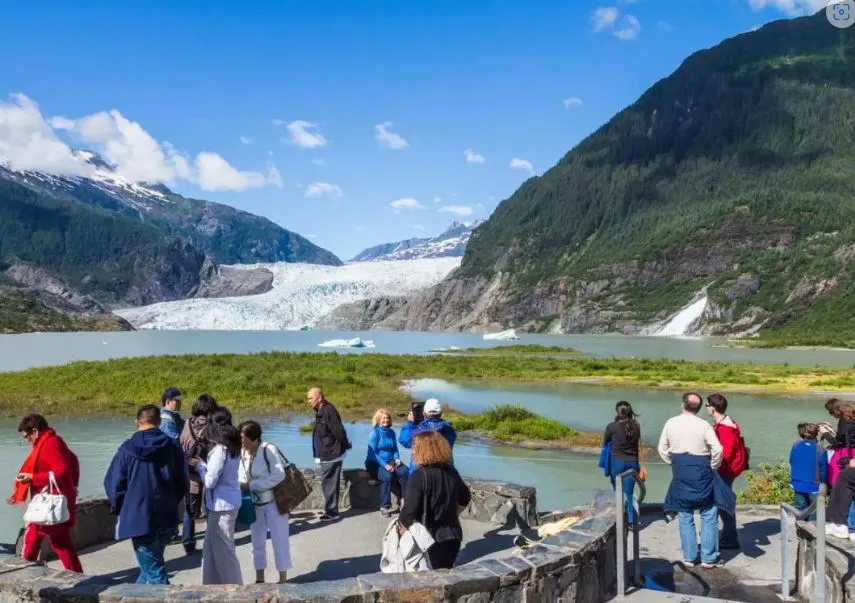



Solo travel in the United States offers unmatched flexibility—but it comes with distinct cost mechanics that many travelers underestimate. Unlike couples or groups, solo travelers absorb single-occupancy accommodation, non-shared transport, and per-person activity pricing without dilution. For digital nomads, the math changes again: longer stays reduce nightly rates but introduce connectivity, workspace, and healthcare considerations.
This guide expands the solo-travel cost framework with city-specific solo examples, female-solo safety cost notes, even more digital-nomad math, and family vs solo contrasts—so you can plan with precision, not optimism.
How Solo Travel Costs Are Calculated
Included
Accommodation (true paid rate)
Food & dining (incl. tips)
Transportation (local + transfers)
Activities & experiences
Solo-specific hidden costs
Excluded
International airfare
Visas/ESTA
Travel insurance
One-time gear
Why this matters: Costs that groups share (rooms, cars, passes) fall entirely on one person when traveling solo.
Solo Travel Cost USA — Quick Snapshot
Travel Style Daily Cost (USD)
Budget solo $95–$130
Mid-range solo $150–$220
Digital nomad $120–$180
Luxury solo $300+
Why Solo Travel Often Costs More Per Person
Single-occupancy pricing: Same room price, one payer
Transport inefficiency: One fare absorbs fixed costs
Activity pricing: Fewer group discounts
Convenience bias: More eating out, fewer grocery offsets
Accommodation Costs for Solo Travelers
Option Typical Nightly
Hostel dorm $30–$50
Private hostel room $60–$90
Budget hotel $90–$130
Airbnb studio $80–$120
Note: Cleaning fees inflate short stays; weekly/monthly discounts flip the math for longer stays.
Food Costs When Traveling Alone
Solo travelers lean on restaurants, increasing tips and taxes.
Category Daily Cost
Breakfast/coffee $10–$15
Lunch $15–$20
Dinner $25–$35
Tips & tax $10–$15
Total $60–$85
Transportation Costs (Solo Reality)
Public transit: Best value in dense cities
Rideshare: Concentrates cost on one person
Rental cars: Inefficient unless staying longer or driving regionally
Activities & Experiences (Solo Pricing)
Museums, tours, shows price per person
“Small group” tours still charge full fare
No splitting of guide/transport fees
Hidden Solo Costs People Miss
Single-room supplements (some tours/lodges)
Safety-driven transport choices (rideshare vs late buses)
Convenience spending (late meals, delivery)
Connectivity (SIMs, coworking)
City-Specific Solo Examples
New York City
Solo daily: $190–$240 (mid-range)
Why higher: Hotels, dining tips, transport add up
Solo tip: Use weekly hotel deals or outer borough stays
Chicago
Solo daily: $160–$200
Why lower: Better hotel value, strong transit
Solo tip: Museum free days + transit passes
Austin
Solo daily: $150–$190
Why moderate: Dining scene + events
Solo tip: Walkable core reduces transport
San Diego
Solo daily: $170–$210
Why higher: Lodging scarcity near coast
Solo tip: Stay inland; bundle attractions
Female-Solo Safety Cost Notes
Safety choices can shift budgets—but they’re rational, not optional.
Where costs rise
Rideshare instead of late transit (+$10–$20/day)
Central neighborhoods (higher nightly rates)
Private rooms over dorms (+$30–$60/night)
Budget guidance
Add a $15–$30/day safety buffer
Prioritize lighting, proximity, and late-hour transport reliability
Digital Nomad Cost Structure (USA-Specific)
Digital nomads trade nightly flexibility for monthly efficiency.
Monthly Math (Example)
Monthly rent (discounted): $2,400
Food: $900
Transit: $150
Coworking/SIMs: $200
Monthly total: $3,650
Daily equivalent: ~$122
Key levers
Monthly discounts (30–40% off nightly)
Transit passes
Grocery routines
Coworking vs café balance
City Ranges (Nomad-Friendly)
Austin: $110–$140/day
Denver: $115–$150/day
Chicago: $120–$155/day
NYC: $150–$190/day (with discipline)
Even More Digital-Nomad Math: Stay Length Matters
Stay Length Nightly Effect Daily Spend
3–5 nights Cleaning fees dominate $170–$220
7–14 nights Partial discounts $140–$180
30+ nights Full discounts $110–$140
Break-even: At ~10–12 nights, longer stays beat short hops for cost efficiency.
Family vs Solo Cost Contrast
Per-Day Comparison
Expense Solo Family (2+2)
Accommodation $110 $180
Food $75 $160
Transport $25 $45
Activities $30 $80
Total $240 $465
Insight: Families pay more in total, but solo travelers pay more per person—especially on accommodation.
Solo Cost Math — Real Scenarios
10-Day Mid-Range Solo Trip
$190/day × 10 = $1,900
Same 10 Days as a Monthly Nomad
$125/day × 10 = $1,250
Savings: $650
Cheapest Ways to Travel Solo in the USA
Choose cities with strong transit
Travel in shoulder/off-season windows
Prefer weekly/monthly stays
Limit rental cars
Cap dining splurges
When Solo Travel Is Worth the Extra Cost
Maximum flexibility
Productivity (nomads)
Safety/control
Time efficiency for professionals
FAQ — Solo Travel Cost USA
Is solo travel expensive in the USA?
Per person, yes—primarily due to accommodation.
How much should I budget per day solo?
$150–$220 for mid-range comfort.
Are hostels always cheaper?
Dorms yes; private rooms often rival budget hotels.
Can digital nomads live cheaply?
Yes—longer stays can cut daily costs by 30–40%.
Related Cost Guides
For full context, see:
how much it costs to travel in the USA
average daily travel cost in the USA
Final Takeaway
Solo travel in the USA isn’t cheap by default—but it is controllable. Costs rise because you don’t share them; they fall when you stay longer, choose transit-rich cities, and budget intentionally. For digital nomads, duration is the single biggest lever. For female solo travelers, safety buffers are prudent—not optional.
Plan solo travel with math, not assumptions—and you’ll get the freedom without the financial shock.