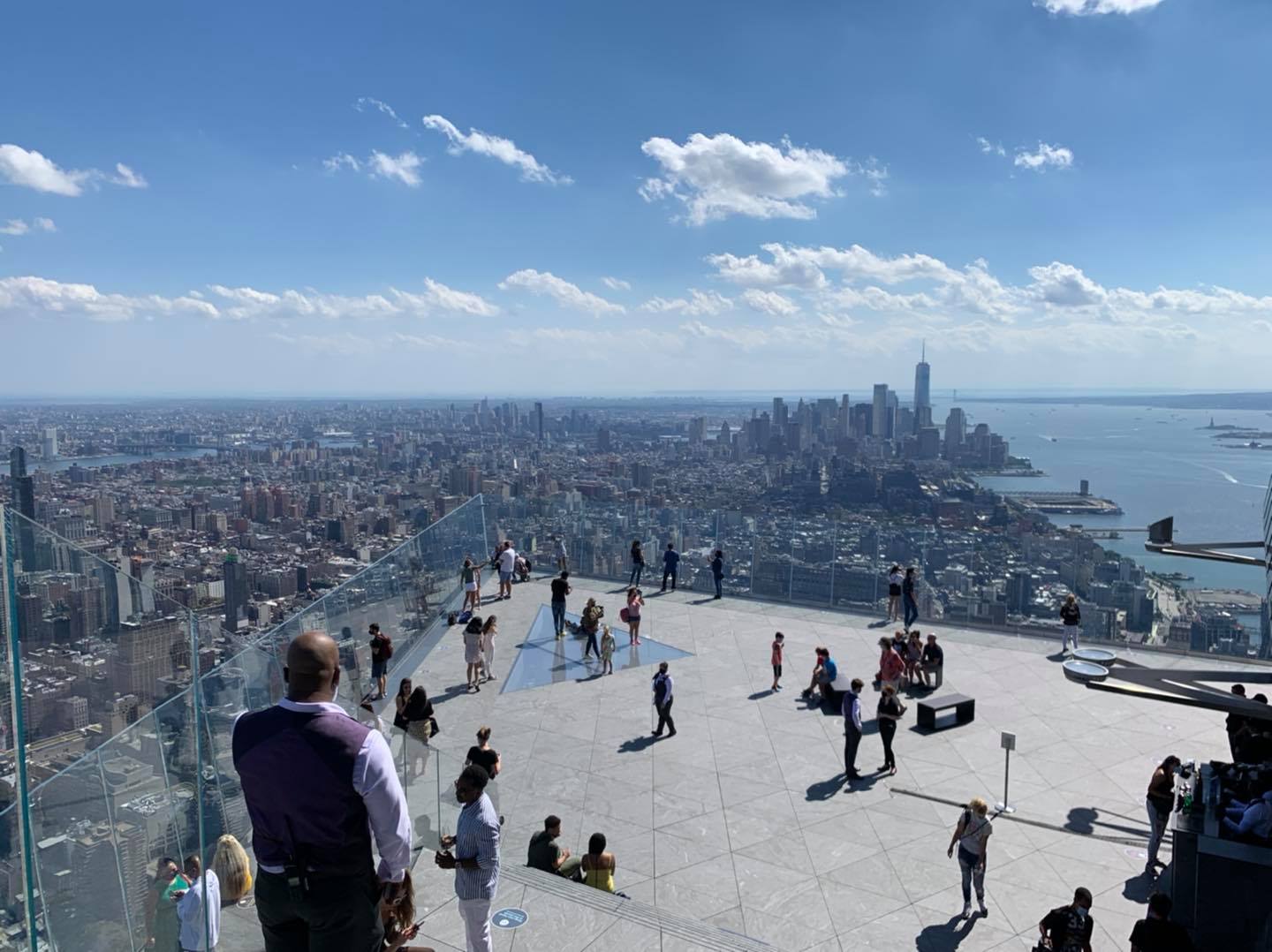



Daily spending—not flights—is what quietly drains most travel budgets in the United States. Accommodation upgrades, restaurant habits, ride-shares, and small convenience purchases compound every day. The good news is that budget-conscious travelers can reliably cut costs without sacrificing safety or enjoyment. With the right tactics, it’s realistic to reduce travel expenses USA travelers face by 20%–40% per day.
- Understand Your Daily Cost Breakdown First
- Reduce Accommodation Costs Without Sacrificing Safety
- Save Money on Food Every Single Day
- Cut Transportation Costs in US Cities
- Lower Attraction & Activity Spending
- Avoid Hidden Daily Costs
- Real-World Daily Savings Scenarios
- City-Specific Savings Example
- How Much Can You Realistically Save Per Day?
- Cost-Saving Mistakes to Avoid
- FAQs – Reducing Daily Travel Expenses in the USA
- Final Thoughts: Save Daily Without Ruining Your Trip
This guide lays out practical, repeatable strategies—with math-backed examples—to help you save money traveling USA cities while keeping your trip comfortable and efficient.
Understand Your Daily Cost Breakdown First
Before cutting costs, identify where your money actually goes. Most daily spend falls into five buckets:
- Accommodation
- Food & drinks
- Transportation
- Attractions & activities
- Hidden costs (taxes, tips, fees, incidentals)
Travelers often underestimate #5. A clear breakdown of these overlooked items is covered in Daily Travel Costs in the USA – What Most Travelers Forget to Budget For:
https://www.tripcostguide.com/daily-and-hidden-costs/daily-travel-costs-in-the-usa-what-most-travelers-forget-to-budget-for/
Planner tip: Track one “typical day” early in your trip. That snapshot reveals where small changes deliver the biggest savings.
Reduce Accommodation Costs Without Sacrificing Safety
Accommodation is the largest daily lever. Small choices here unlock outsized savings.
Choose the Right Area (Not Just the Cheapest Room)
- Near transit beats downtown premiums. A 10–15 minute ride can save $20–$50 per night.
- Walkable neighborhoods reduce transport costs too.
Book Smarter
- Weekdays are cheaper than weekends in business cities.
- Longer stays (weekly discounts) lower nightly rates.
- Shared accommodations (private rooms) often cut costs without safety trade-offs.
Daily Accommodation Savings Potential
| Strategy | Typical Daily Savings |
|---|---|
| Outside city center | $20–$50 |
| Weekly discounts | $15–$40 |
| Shared/private room | $25–$60 |
Rule of thumb: Compare total nightly cost (rate + taxes + fees), not headline prices.
Save Money on Food Every Single Day
Food is the easiest place to overspend—and the easiest place to fix.
Eat Out Strategically
- Lunch over dinner: identical menus, lower prices.
- Avoid tourist blocks: walk 2–3 streets away.
- Limit alcohol: drinks often equal a full meal.
Grocery & Self-Catering Tactics
- Breakfast at your accommodation saves $10–$20/day.
- Simple grocery lunches (sandwiches, salads) save $15–$25/day.
- Supermarkets beat convenience stores by 30%–50%.
Daily Food Savings
| Approach | Daily Savings |
|---|---|
| Breakfast at home | $10–$20 |
| Grocery lunches | $15–$25 |
| Fewer drinks | $10–$30 |
Cut Transportation Costs in US Cities
Transportation costs swing wildly depending on habits.
Public Transit vs Ride-Shares
- Transit wins for multiple short hops and rush hours.
- Ride-shares make sense late nights or split between 2–3 people.
Walk & Cluster Activities
- Plan days by neighborhood, not attraction type.
- Walking often saves money and time in dense areas.
Daily Transport Cost Comparison
| Transport Choice | Typical Daily Cost |
|---|---|
| Public transit | $5–$10 |
| Ride-shares | $25–$50 |
| Mixed approach | $10–$20 |
Lower Attraction & Activity Spending
Experiences don’t have to be expensive to be memorable.
Prioritize Free & Low-Cost Options
- Public parks, historic districts, viewpoints
- Free museum days and community events
Use Passes Selectively
- Do the break-even math: if you won’t hit enough attractions, passes cost more.
Attraction Savings Potential
| Strategy | Potential Savings |
|---|---|
| Free attractions | $20–$50/day |
| Selective passes | $15–$40/day |
Avoid Hidden Daily Costs
Hidden costs quietly undo good budgeting:
- Resort/destination fees on hotels
- Sales tax & tipping added at checkout
- Convenience purchases (water, snacks)
A holistic view of how these add up—and how to plan around them—is covered in How Much Does It Cost to Travel in the USA? (Complete Breakdown):
https://www.tripcostguide.com/travel-costs-usa/how-much-does-it-cost-to-travel-in-the-usa-complete-breakdown/
Real-World Daily Savings Scenarios
Solo Budget Traveler
- Before: $120/day
- After optimization: $80/day
- Savings: $40/day
Couple on a Mid-Range Budget
- Before: $220/day
- After optimization: $160/day
- Savings: $60/day
Long-Stay Traveler
- Before: $150/day
- After optimization: $100/day
- Savings: $50/day
Before vs After
| Traveler Type | Before | After | Savings |
|---|---|---|---|
| Solo | $120 | $80 | $40 |
| Couple | $220 | $160 | $60 |
| Long-stay | $150 | $100 | $50 |
City-Specific Savings Example
Walkable cities with strong transit networks amplify savings. In historic, compact cities, clustering sights and using transit can dramatically lower daily costs. See Cost of a Trip to Boston – Historical City Travel Costs for a city-level illustration:
https://www.tripcostguide.com/city-cost-guides/cost-of-a-trip-to-boston-historical-city-travel-costs/
How Much Can You Realistically Save Per Day?
Savings stack across categories.
| Category | Savings Range |
|---|---|
| Accommodation | $20–$60 |
| Food | $20–$50 |
| Transport | $10–$30 |
| Attractions | $15–$40 |
Total potential: $40–$100+ per day, depending on starting habits.
Cost-Saving Mistakes to Avoid
- False economy: unsafe areas or poor transit access.
- Over-optimization: cutting experiences you’ll regret.
- Ignoring fees: taxes and tips still apply.
FAQs – Reducing Daily Travel Expenses in the USA
How can I save money traveling in the USA daily?
Focus on accommodation location, grocery breakfasts/lunches, transit, and free attractions.
Is the USA expensive for budget travelers?
It can be—but smart daily choices keep costs manageable.
Where do travelers overspend most?
Food/drinks and accommodation upgrades.
Are city passes worth it?
Only if you hit the break-even number of attractions.
How much should budget travelers spend per day?
Often $75–$120, depending on city and season.
Final Thoughts: Save Daily Without Ruining Your Trip
Cutting costs doesn’t mean cutting joy. The most effective savings come from repeatable daily habits—choosing the right neighborhood, eating strategically, using transit, and avoiding hidden fees. Apply these tactics consistently and you’ll reduce travel expenses USA travelers face—while still enjoying the places that brought you there.
Plan intentionally, spend where it matters, and let Trip Cost Guide help you travel smarter every day.